About Imprint
Mapping how accessible Metro Manila's sidewalks really are.
Imprint is a collaborative crowdsourcing platform for mapping urban walkability. Volunteers look at street photos and say which objects get in their way, and a model learns from their answers.
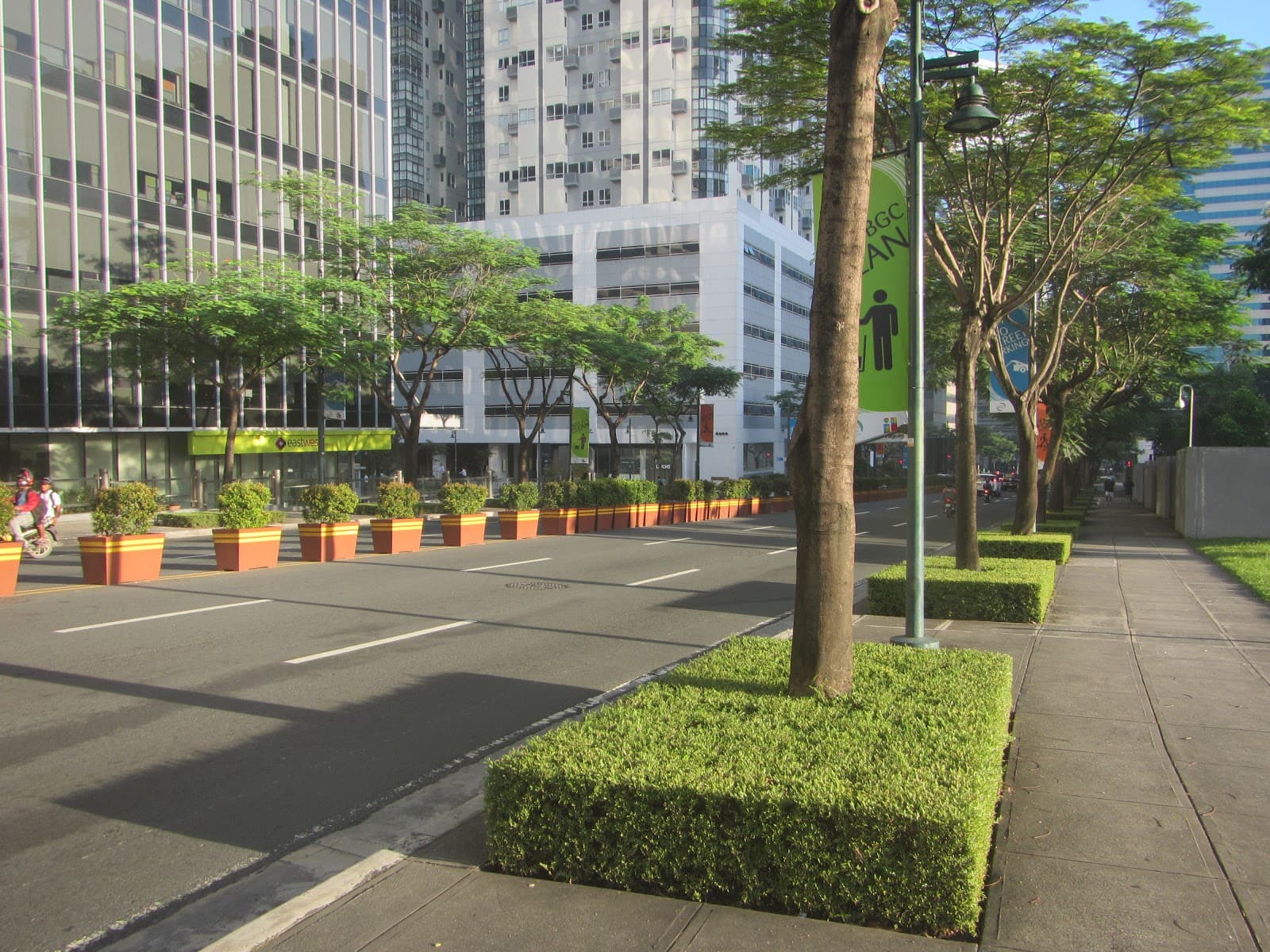
Obstructions decide whether a sidewalk works.
Utility posts, trees and signs, parked cars and motorcycles, vendor carts and garbage all narrow the space a pedestrian can actually use.
Sidewalk audits usually miss them, and there are too many streets in a city to check each one on foot.
The same pole, two different answers.
A model can find a pole in a photo. It cannot say whether the pole stops you. Someone on foot may step around it, while a wheelchair user may have to leave the sidewalk entirely. That judgment belongs to the person walking, so Imprint asks people for it.
On foot
Steps around it
In a wheelchair
Has to leave the sidewalk
How it works
Objects are suggested
Before you see a street photo, we've already boxed the objects in it.
You decide
Say whether there is a sidewalk or only a path. Then open each box and say whether the object gets in your way as you normally travel, and if it does, how much, from 1 to 5. Mark a box with nothing real in it as Not an object, and draw any objects we missed.
You rate the sidewalk
Answer up to six questions about the sidewalk as a whole: its width, how obstructed it is, how even it is, its surface and its condition, and whether anything separates it from the road.
The model learns
Your answers help the model get better at telling which objects get in people's way.
What you record
Eighteen kinds of object, some that come and go and some that stay put.
Temporary
They come and go with daily street use.
- Car
- Motorcycle
- Tricycle
- Bicycle
- Street Vendor Cart
- Construction Materials
- Garbage
- Movable Signage
Permanent
They are part of the street itself.
- Trash Bin
- Utility Post
- Lamp Post
- Street Sign
- Fire Hydrant
- Electrical Box
- Bench
- Tree
- Potted Plant
- Bollard
Anything else can be named with Other. Cracks and uneven paving are not boxed. A surface has no edges to draw a box around, so it is one of the questions about the sidewalk instead.
Six questions about each sidewalk
- Sidewalk Width
- How wide is the sidewalk?
- Narrow: room for one direction only.
- Limited: two people can pass with no room to spare.
- Wide: people pass both ways with room to spare.
- Not asked when there is only a path.
- Ease of Navigation
- How easy would it be for you to walk through here?
- Fully obstructed: there is no way through, as with an Impassable obstruction in Step 2.
- Heavily obstructed: getting through means leaving the sidewalk or path.
- Moderately obstructed: getting through means weaving between objects.
- Slightly obstructed: getting through means a short step aside.
- Unobstructed: the way is clear.
- Evenness
- How even is the walking surface?
- Uneven: it rises and dips, as at driveways.
- Sloped: it tilts.
- Flat: it stays level.
- Surface Type
- What is most of the walking surface made of?
- Concrete or asphalt: a poured surface.
- Tiles: tiles laid on the surface, common on shop and house frontages.
- Paver blocks or bricks: blocks or bricks laid side by side.
- Unpaved: soil, gravel or grass.
- Not asked when there is only a path.
- Surface Condition
- Is the walking surface cracked or broken anywhere?
- Broken: something is missing or out of level, such as a hole, a chipped edge, a missing tile or paver, or a sunken or raised piece.
- Cracked: lines in the surface, with every piece still in place and level.
- Intact: neither cracked nor broken.
- Not asked when there is only a path.
- Road Barrier
- Is there anything between the sidewalk and the road?
- No barrier: nothing stands between the walking space and the road. A curb alone is No barrier, since a raised curb is what makes it a sidewalk.
- Barrier: a railing, bollards, plants or anything else standing between the walking space and the road.
- Not asked when there is only a path.
The photos
Street photos taken on foot around Metro Manila, from Mapillary and from an earlier research group, with faces and license plates blurred.
Taking part
Anyone 18 or older can volunteer. Taking part is voluntary and unpaid. You choose how many photos to do in a session, and you can stop at any time.
The team
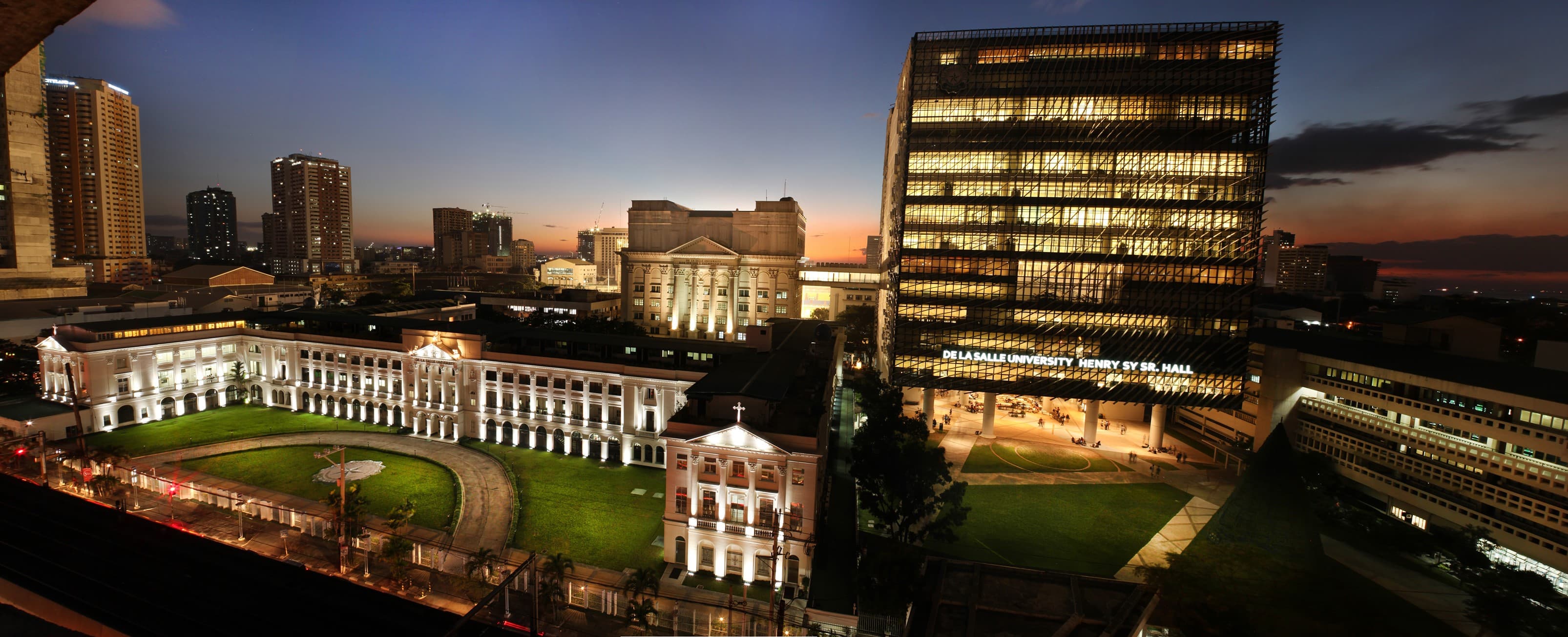
Imprint is developed by Francis Bawa, a BSMS Computer Science student at De La Salle University, under the Human-X Interactions Lab Research Center. His research focuses on human-computer interaction and human-centered mobility.
Questions about Imprint? francis_bawa@dlsu.edu.ph
Help map the sidewalks you walk
A session takes a few minutes, and you choose how many photos to do.